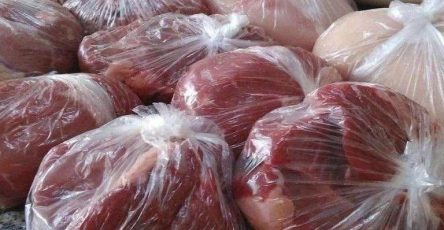


High-protein eating has become popular among athletes, fitness professionals, and celebrities who often discuss protein-rich foods as part of their lifestyle.
Jennifer Garner
Jennifer Garner has frequently shared food and cooking content featuring wholesome meals, including dishes containing eggs, poultry, vegetables, and other nutrient-dense ingredients.
Cody Rigsby
Peloton instructor Cody Rigsby has discussed fitness and nutrition as part of his active lifestyle, with protein-rich foods playing a role in his approach to eating.
Tiffani Thiessen
Actress and cookbook author Tiffani Thiessen has also spoken publicly about balanced nutrition and wellness, emphasizing an overall approach to healthy living rather than relying on extreme dietary restrictions.
Celebrity eating habits can be interesting for inspiration, but individual nutritional needs differ. The most useful approach is to build a meal plan around your own preferences, lifestyle, and nutritional requirements.
How Much Protein Should You Eat Daily?
Protein requirements vary from person to person.
For generally healthy adults, the basic recommended dietary allowance is approximately 0.8 grams of protein per kilogram of body weight per day. People who are physically active, older adults, or those specifically training to build or maintain muscle may benefit from different amounts.
For example, someone weighing 150 pounds (about 68 kg) would have a basic protein reference amount of roughly 54 grams per day based on 0.8 g/kg.
However, this should not be interpreted as a universal target. Athletes, people doing regular resistance training, and individuals with particular dietary goals may require more.
Rather than trying to consume a very large amount at once, many people find it practical to distribute protein across several meals and snacks throughout the day.
How to Follow a High-Protein Diet
Plan Your Meals
Choose several protein sources before the beginning of the week. Chicken, turkey, eggs, fish, Greek yogurt, cottage cheese, tofu, beans, and lentils can become the foundation of your meals.
Build Every Meal Around Protein
Start with a protein source and then add vegetables, fruit, whole grains, legumes, or healthy fats to create a balanced meal.
Choose Variety
Eating the same protein every day can quickly become boring. Rotate between poultry, seafood, eggs, dairy, lean meat, and plant-based proteins.
Prepare Food in Batches
Cook several servings of chicken, turkey, fish, eggs, or another protein source at once. Store individual portions in containers so meals are ready when you need them.
Keep Convenient Protein Foods Available
Greek yogurt, cottage cheese, canned tuna, boiled eggs, and nuts can be useful options when you don’t have time to prepare a complete meal.
Include Fiber-Rich Foods
Protein is important, but it should not replace vegetables, fruits, whole grains, legumes, and other nutrient-rich foods. A varied diet provides a broader range of nutrients.
Stay Hydrated
Drink enough fluids throughout the day according to your individual needs. Water is a simple everyday choice for staying hydrated.
Listen to Your Body
Your ideal protein intake depends on your body, activity level, dietary preferences, and goals. If you have a medical condition or specific nutritional requirements, consider discussing your diet with a qualified healthcare professional or registered dietitian.
What Foods Are Highest in Protein?
Adding protein-rich foods to your meals is one of the easiest ways to increase daily protein intake.
1. Lean Meats
Chicken Breast: A versatile protein source that works well in salads, wraps, bowls, soups, and casseroles.
Turkey Breast: Lean turkey can be used in sandwiches, lettuce wraps, meatballs, burgers, and meal-prep bowls.
Lean Beef: Lean cuts of beef can provide substantial protein while adding rich flavor to stir-fries, tacos, soups, and skillet meals.
2. Fish and Seafood
Salmon: Salmon provides protein along with beneficial omega-3 fatty acids.
Tuna: Canned tuna is a convenient protein option for salads, sandwiches, wraps, and quick lunches.
White Fish: Cod, haddock, tilapia, and similar fish can be baked, grilled, or pan-seared for a simple protein-rich dinner.
3. Eggs
Eggs are convenient, versatile, and easy to prepare. They work well in omelets, breakfast bowls, egg muffins, salads, and snacks.
4. Dairy Products
Cottage Cheese: Cottage cheese is a convenient protein-rich food that can be used in both sweet and savory meals.
Greek Yogurt: Plain Greek yogurt provides protein and can be paired with berries, seeds, nuts, or cinnamon.
Cheese: Cheese can contribute protein and flavor to eggs, salads, wraps, casseroles, and other meals. Because varieties differ in calories and fat, portion size can be considered when planning meals.
5. Plant-Based Protein
Tofu: A versatile option for stir-fries, bowls, soups, and salads.
Lentils: Lentils provide both protein and fiber and work well in soups, salads, and bowls.
Beans: Black beans, kidney beans, chickpeas, and other legumes can contribute plant-based protein and fiber.
Edamame: Edamame is a convenient plant-based protein that works well as a snack or addition to bowls and salads.
6. Nuts and Seeds
Almonds, peanuts, walnuts, chia seeds, hemp seeds, pumpkin seeds, and flaxseeds can add protein, healthy fats, and texture to meals.
Because nuts and seeds are calorie-dense, sensible portions can be useful when they are included as part of a balanced eating plan.
High-Protein Snacks for Busy People
Having protein-rich snacks available can make it easier to stay on track when hunger hits between meals.
Try:
- Greek yogurt with berries
- Cottage cheese with cucumber
- Boiled eggs with vegetables
- Tuna lettuce cups
- Edamame
- A small handful of almonds
- Apple slices with peanut butter
- Turkey roll-ups
- Chia pudding made with Greek yogurt
- Cottage cheese with cinnamon and berries
High-Protein Meal Prep Tips
Meal preparation doesn’t have to mean spending an entire Sunday cooking.
Start by choosing two or three proteins for the week. Prepare chicken, turkey, eggs, fish, tofu, or another preferred protein source.
Next, prepare several vegetables that can be mixed and matched. Roasted broccoli, cauliflower, peppers, zucchini, green beans, and leafy greens can quickly become the base of different meals.
Finally, prepare a few convenient carbohydrate options such as quinoa, brown rice, beans, lentils, or sweet potatoes.
Once these ingredients are ready, you can create different combinations throughout the week without having to cook an entirely new recipe every day.
Can a High-Protein Meal Plan Support Weight-Management Goals?
A high-protein meal plan can be useful for people working toward weight-management goals because protein-rich meals can be satisfying and can help support muscle maintenance when overall calorie intake is appropriate.
Pairing protein with vegetables, fiber-rich foods, and appropriate portions can create filling meals without relying heavily on highly processed foods.
However, weight management depends on many factors, including total energy intake, activity, sleep, individual metabolism, and dietary adherence. A high-protein diet alone does not guarantee weight loss.
The best meal plan is one that provides adequate nutrition and is realistic enough to follow consistently.
Final Thoughts
A high-protein diet doesn’t have to be complicated, expensive, or repetitive.
With a little planning, you can build delicious meals around chicken, turkey, fish, eggs, Greek yogurt, cottage cheese, lean beef, tofu, beans, and other protein-rich foods.
This 7-day high-protein meal plan gives you a flexible starting point for busy mornings, quick lunches, satisfying dinners, and convenient snacks.
The goal isn’t to eat as much protein as possible. It’s to consistently include appropriate amounts of protein alongside vegetables, fruits, fiber-rich carbohydrates, and healthy fats to create balanced meals that fit your lifestyle.
With simple meal preparation and plenty of variety, high-protein eating can become an enjoyable and sustainable part of your everyday routine.