

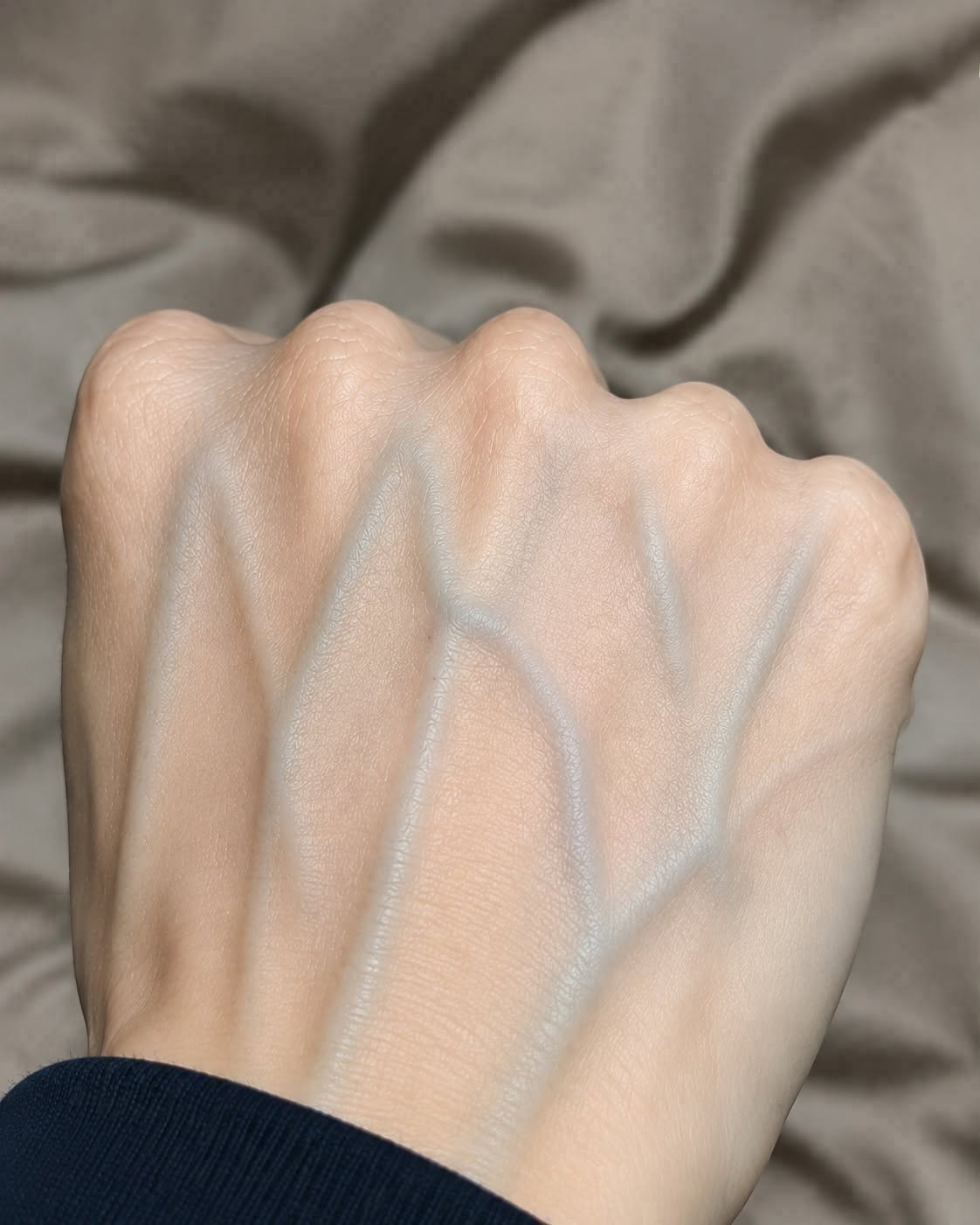
When you notice prominent, raised, or bluish veins on your hands, it’s natural to wonder. Here’s what science actually says.
📋 The Big Picture
You’ve likely seen them—articles with dramatic titles like “What Your Hand Veins Are Desperately Trying to Tell You About Your Kidneys.” Social media posts showing photos of hands, asking strangers to diagnose kidney health based on visible veins.
Here’s the truth: It’s not as simple as “big veins = bad kidneys.” But there are connections worth understanding—especially if you have other risk factors.
Let’s separate science from internet panic.
🔬 Why Some People Have More Visible Hand Veins
Before we talk about kidneys, let’s talk about veins themselves. Veins become visible for many reasons—most are completely normal and have nothing to do with your kidneys.
Cause Why It Happens
Thin skin As we age, skin loses collagen and fat. Veins hidden in our twenties become obvious in our forties and beyond.
Low body fat Less subcutaneous fat means less tissue covering veins. Common in lean individuals and those who’ve lost weight quickly.
Dehydration Blood volume drops slightly; veins constrict and become more noticeable. Drink water—they often calm down.
Heat Warm temperatures cause vasodilation as the body tries to cool itself. Hands look veiny after a hot shower or on summer afternoons.
Genetics Some families just have prominent veins. It’s inheritance, not illness.
Exercise Regular physical activity increases blood flow and can make veins more prominent, especially with resistance training.
Pregnancy Increased blood volume and hormonal changes can make veins more visible. Usually resolves after delivery.
✅ None of these have anything to do with your kidneys. They explain why so many healthy people have visible hand veins and never think twice about them.
🫘 The Kidney Connection: Where Does This Idea Come From?
There are three legitimate connections between hand veins and kidney health—but they apply to specific situations, not to everyone with visible veins.
1. Chronic Kidney Disease and Fluid Overload
When kidneys start to fail, they lose their ability to remove excess fluid. This fluid can accumulate in tissues (edema), often showing up first in the hands, feet, and ankles.
In advanced kidney disease, increased blood volume and fluid retention can make veins appear more prominent—especially on the hands, where skin is thin.
⚠️ Critical detail: This doesn’t happen in isolation. People with fluid overload from kidney disease almost always have other symptoms:
Swelling in hands, feet, or face (pitting edema—press your finger into the skin and it leaves a dent)
Fatigue and weakness
Changes in urination (foamy, dark, or significantly reduced urine)
Shortness of breath (from fluid in the lungs)
High blood pressure
Nausea or loss of appetite
If you have visible hand veins but none of these symptoms, you almost certainly do not have kidney failure causing fluid overload.
2. AV Fistulas in Dialysis Patients
This is the most direct visual connection—but it applies only to people already on dialysis.
Patients with end-stage kidney disease who receive hemodialysis often have a surgically created connection between an artery and a vein (called an AV fistula). This causes the vein to enlarge, thicken, and become highly visible. It’s supposed to look that way. It’s a lifeline for dialysis access.
If you see someone with a very prominent, rope-like vein in their arm or hand, especially near a surgical scar, they may be a dialysis patient. But that vein is a treatment, not a symptom.
3. Vascular Calcification in Advanced Kidney Disease
People with chronic kidney disease (especially those on dialysis) can develop vascular calcification—calcium deposits that stiffen blood vessels. This can make veins and arteries more visible and harder to the touch.
Again, this occurs in advanced disease. It’s not an early warning sign. And it’s almost always accompanied by other, more obvious symptoms.
📊 What the Science Actually Says
I searched medical literature for studies linking “visible hand veins” to “early kidney disease detection.” Here’s what I found:
Nothing.
No major medical organization—not the National Kidney Foundation, not the American Society of Nephrology, not the Mayo Clinic—lists “visible hand veins” as an early warning sign of kidney problems.
Standard Kidney Disease Risk Factors
Diabetes
High blood pressure
Family history of kidney disease
Age over 60
Heart disease or heart failure
Obesity
Smoking
Long-term use of NSAIDs (ibuprofen, naproxen)
None of these mention the appearance of veins on your hands.
That doesn’t mean hand veins are meaningless. It means that in the absence of other symptoms, visible veins are almost always a normal variant or a sign of aging, low body fat, genetics, or dehydration.
⚠️ When Hand Veins Might Actually Be a Concern
There are times when changes in your hand veins warrant a conversation with your doctor. But these are specific changes, not simply “visible veins.”
Concern What to Watch For Action
Thrombophlebitis Sudden, unexplained bulging of a single vein that becomes ropey, firm, or painful See a doctor—blood clot in a superficial vein
Deep vein thrombosis (DVT) Swelling in one hand or arm with prominent veins (especially with chest pain or shortness of breath) Medical emergency—call 911
Hard or cord-like veins Veins that feel hard to the touch Could be superficial thrombophlebitis or Mondor’s disease—see a doctor
Veins + other symptoms Visible veins accompanied by fatigue, swelling, changes in urination, or high blood pressure Mention it to your doctor—the combination deserves attention
🚨 What You Should Actually Watch For (Kidney Health Warning Signs)
Instead of staring at your hand veins, here are the real early warning signs of kidney disease. If you notice any of these, see your doctor. They are far more reliable than the appearance of your veins.
Symptom What It Looks/Feels Like