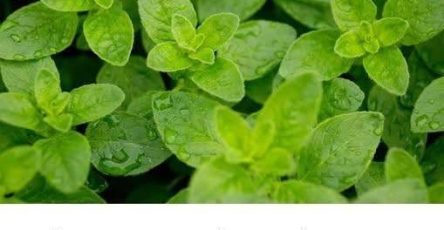

Ingredients: A handful of fresh or dried leaves and stems.
Directions: Pour hot water over the purslane, steep for 10–15 minutes, strain, and enjoy.
Traditional Use: Commonly enjoyed as a soothing herbal beverage.
2. Fresh Purslane Salad
Wash thoroughly and combine with cucumbers, tomatoes, olive oil, lemon juice, and herbs for a refreshing salad.
3. Green Smoothie
Add a handful of fresh leaves to smoothies for extra fiber, vitamins, and minerals.
4. Purslane Stir-Fry
Lightly sauté with garlic and olive oil for two to three minutes as a nutritious side dish.
One final look at how to preserve purslane and enjoy its unique flavor long after harvest.
5. Purslane Paste
Blend fresh leaves into a smooth paste for traditional external use on the skin. Always perform a small patch test first and avoid applying to open wounds.
6. Herbal Foot Soak
Steep fresh purslane in hot water, allow it to cool to a comfortable temperature, and soak your feet for a relaxing experience.
7. Frozen Purslane Cubes
Blend leaves with water and freeze in ice cube trays. Add the cubes to smoothies or cold beverages.
8. Dry and Store
Wash the plant thoroughly, dry it in a shaded, well-ventilated area, then grind it into a powder for later culinary use.
Store the powder in an airtight glass container away from moisture and direct sunlight.
The Bottom Line
Purslane is far more than a common garden weed. It is an edible leafy plant packed with vitamins, minerals, antioxidants, fiber, and plant-based omega-3 fatty acids. Its long history in traditional cooking and herbal practices, combined with ongoing scientific research, continues to generate interest in its nutritional value.
While many traditional health claims require additional clinical research, incorporating properly identified and safely harvested purslane into a balanced diet can be a simple way to increase your intake of beneficial nutrients. As with any wild edible plant, always ensure correct identification and avoid harvesting from areas that may have been treated with pesticides or exposed to roadside contamination.