

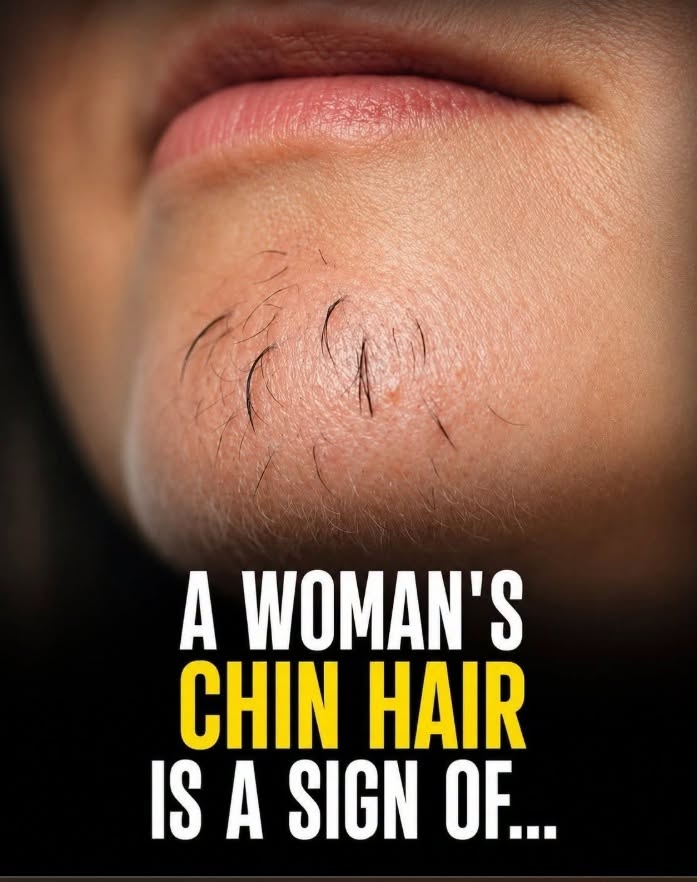
Understanding a woman’s chin hair is an important aspect of monitoring your underlying endocrine health and overall physical well-being. Finding a few stray hairs on your lower face is completely normal, but sudden changes in coarse facial growth often point to internal hormone shifts. Recognizing why a woman’s chin hair develops allows you to address the root cause with confidence.
Causes and Physiological Mechanics of Facial Hair Growth
Every person has thousands of tiny hair follicles covering their face. Normally, these follicles produce soft, fine vellus hair, commonly known as peach fuzz. However, specific physiological factors trigger these follicles to transition into producing coarse, dark terminal hairs:
- Androgen Sensitivity: Hair follicles on the chin and jawline are particularly sensitive to male hormones called androgens, such as testosterone, which exist naturally in all women.
- Polycystic Ovary Syndrome (PCOS): This common hormonal condition causes elevated androgen levels, leading to a condition known as hirsutism, where dark hairs appear on the chin, chest, or abdomen.
- Natural Hormonal Shifts: Major reproductive transitions, such as pregnancy, perimenopause, and menopause, alter the balance between estrogen and progesterone, making androgen effects more noticeable.
- Insulin Resistance: Elevated insulin levels stimulate the ovaries to produce excess testosterone, which directly triggers thick facial hair growth.
- Genetic Predisposition: Your family history plays a significant role in determining hair follicle density and baseline hormonal sensitivity…