

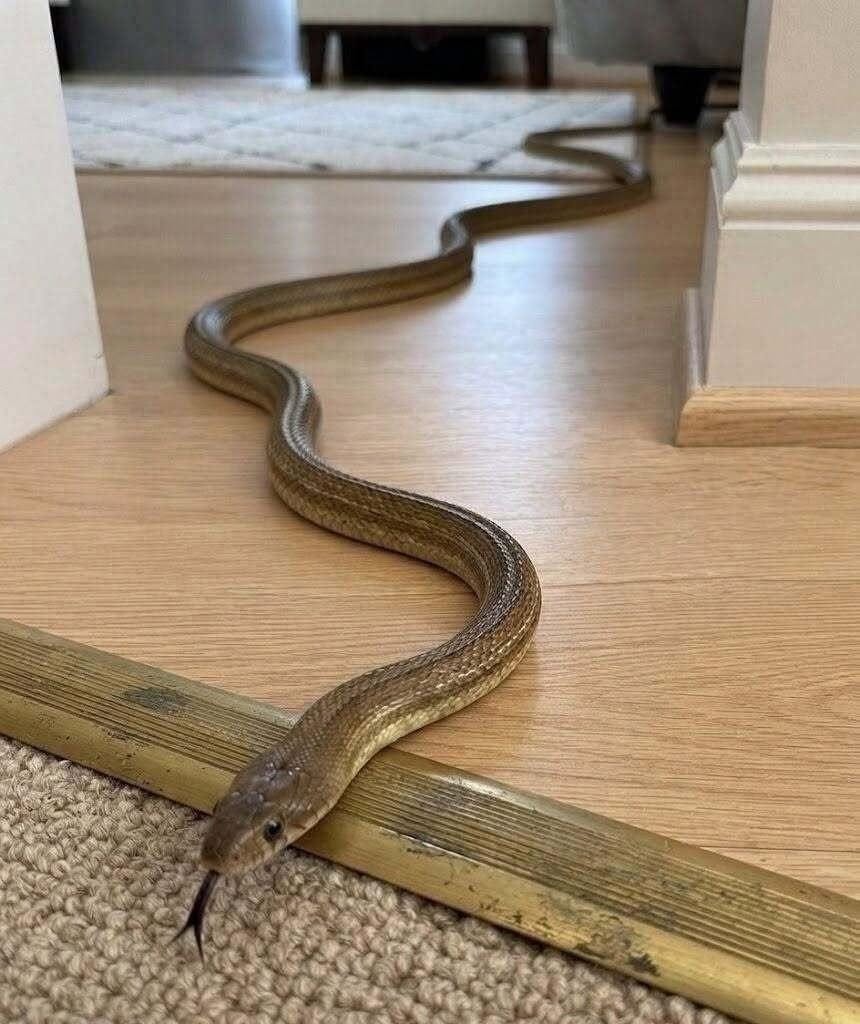
A snake bite should always be taken seriously if the species is unknown or venomous species are present in your area.
If someone is bitten, seek emergency medical attention promptly.
Move away from the snake without attempting to capture it.
If it can be done safely, remember its appearance or take a photograph from a safe distance.
Do not attempt to handle the snake for identification.
Avoid outdated home remedies
Don’t:
Cut the wound
Suck out venom
Apply ice directly
Use a tourniquet unless specifically instructed by trained medical professionals
Attempt to catch the snake
Consume alcohol
Try folk remedies
The appropriate treatment depends on the species and the clinical situation.
Professional medical evaluation is the priority.
What If You Don’t See a Bite but Suspect One?
Don’t ignore concerning symptoms after a possible snake encounter.
Symptoms can vary depending on the species and type of bite.
Potential warning signs can include:
Increasing pain
Swelling
Bruising
Numbness
Weakness
Nausea
Difficulty breathing
Changes in vision
Dizziness
A person who develops concerning symptoms after a suspected bite should receive urgent medical attention.
Should You Kill a Snake Near Your Home?
In many situations, killing the snake isn’t necessary.
A snake that isn’t being cornered will often try to escape.
Wildlife professionals can often remove and relocate animals safely where appropriate and legal.
There may also be local regulations governing the handling or removal of certain species.
If you’re unsure what to do, contact a local wildlife authority or qualified wildlife-removal professional.
What If You Keep Seeing Snakes?
One snake doesn’t necessarily mean there’s a serious problem.
Repeated sightings, however, are worth investigating.
Possible contributing factors include:
Rodent activity
Dense vegetation
Standing water
Outdoor food sources
Open crawl spaces
Gaps in the foundation
Unsealed garage doors
Nearby habitat that supports snakes
Instead of focusing only on removing individual snakes, address the conditions attracting them.
That approach is usually more effective over the long term.
A Snake-Proof Home Doesn’t Really Exist
It’s important to keep expectations realistic.
If you live in an area where snakes naturally occur, completely eliminating the possibility of encountering one may not be realistic.
The goal should be reducing unnecessary opportunities for entry, not creating an impossible guarantee.
Regular property maintenance, appropriate sealing, rodent management, and responsible landscaping can all help.
The Most Important Rule: Don’t Panic
Finding a snake inside your home can be startling.
Your heart may race.
You may immediately want to grab a broom and chase it outside.
But the safest response is usually much less dramatic.
Stop.
Step back.
Keep children and pets away.
Don’t touch the snake.
Don’t corner it.
Get professional assistance when necessary.
A snake in the house is certainly a problem that needs to be handled, but it doesn’t automatically mean you’re in immediate danger.