

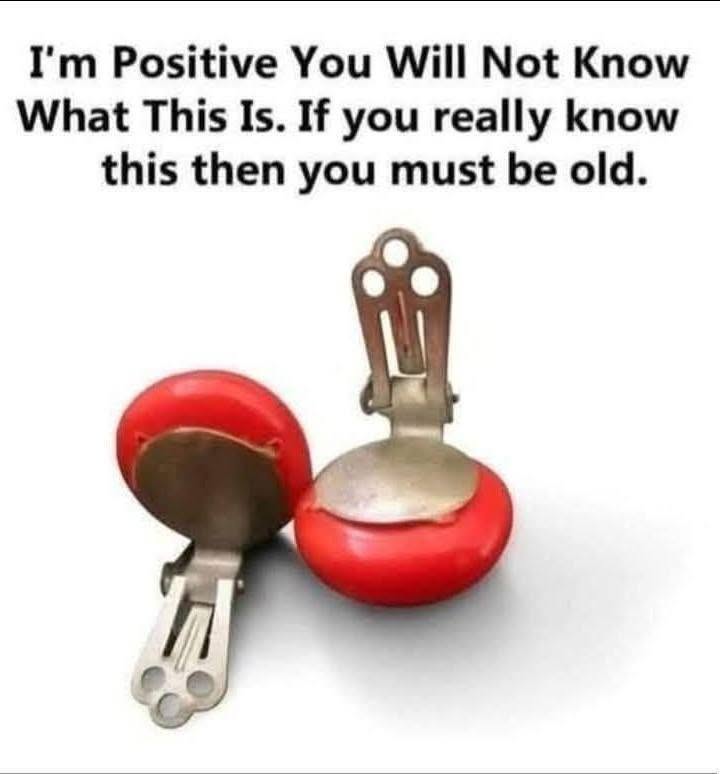
Before zippers, Velcro, or elastic shoes, getting dressed often required clever tools — one of which was the button hook and shoe fastener. This tool was widely used from the late 1800s through the early 20th century.
What It Is
A button hook was designed to fasten shoes, boots, gloves, and other garments with small, hard-to-grasp buttons.
The tool typically featured a metal hook that slid through buttonholes, caught the button, and pulled it through.
A grip, often made from red plastic, Bakelite, or wood, provided a comfortable way to hold and control the tool.
Compact and handheld, it made the process of buttoning tight boots or gloves much easier, especially when buttons were tiny or stiff.
Who Used It
Older adults and people who struggled with fine motor tasks could use button hooks to make fastening clothing easier.
Men and women wearing high-button boots, which were popular in early 20th-century fashion, could use the tool to fasten their footwear more efficiently.
Children, who were still developing fine motor skills, could also benefit from the added control provided by the tool.
Domestic workers sometimes used button hooks when helping dress employers, particularly when garments contained numerous small buttons.
Although the button hook was small and simple, its usefulness becomes clearer when you consider how demanding everyday clothing could be before modern fasteners.