

Soft-boiled: 6–7 minutes
Medium-boiled: 8–9 minutes
Hard-boiled: 10–12 minutes
Start counting once the water reaches a gentle boil — not before.
Avoid aggressive rolling boils, which can cause shells to crack from movement.
Bonus Tip: Start With Room Temperature Eggs
Another small but powerful trick:
Take eggs out of the refrigerator 10–15 minutes before boiling.
Why?
Cold eggs placed directly into hot water are more likely to crack due to sudden temperature change. Letting them warm slightly reduces stress on the shell.
Professional kitchens plan ahead — and this simple step helps maintain consistency.
What About Vinegar?
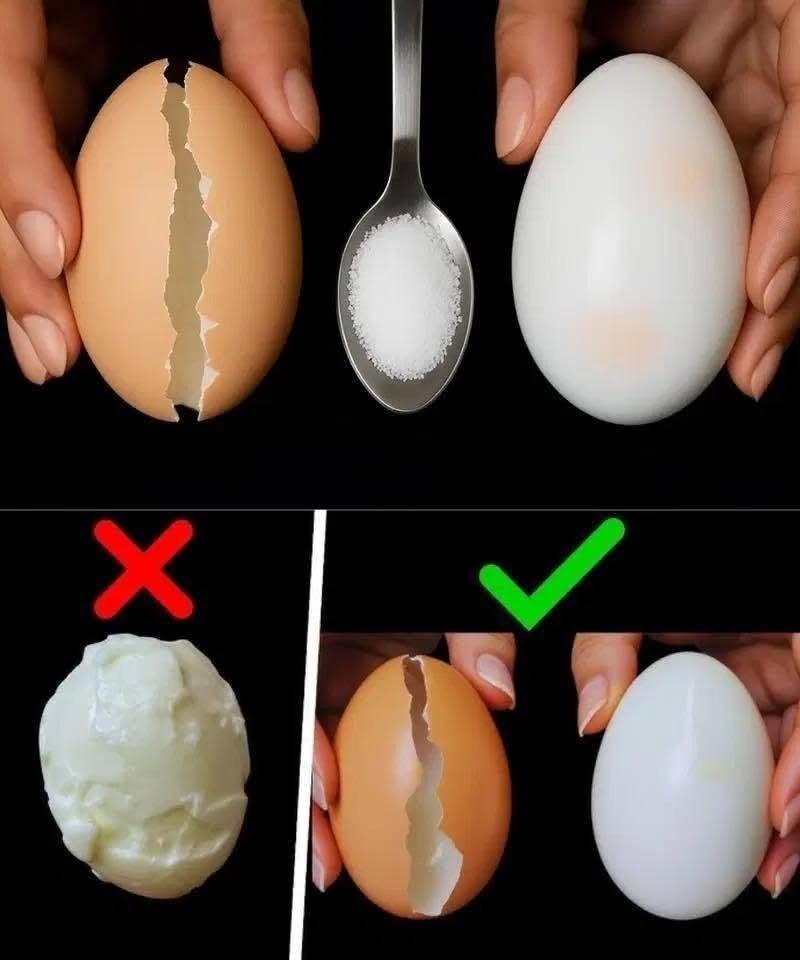
Some people also add a splash of vinegar. Like salt, vinegar can help egg whites firm up quickly if the shell cracks.
However, salt is usually enough for everyday cooking and doesn’t affect taste when used in normal amounts.
Why Hotels Care So Much About Egg Quality
In five-star settings, presentation matters. Eggs are often served:
In breakfast buffets
On salads
In sandwiches
In gourmet dishes
A cracked or poorly peeled egg doesn’t look appealing — even if it tastes fine.
That’s why chefs rely on small precision techniques rather than shortcuts.
What You Should Avoid
Dropping eggs roughly into boiling water
Overcrowding the pot
Skipping the cooling step
Overcooking (which causes grayish yolks)
That gray ring around the yolk? It’s usually from overcooking — not from salt.
The Bottom Line
You don’t need fancy tools or culinary training to cook eggs like a luxury hotel.
Just remember:
Add salt to the water
Use an ice bath after boiling
Watch your timing carefully
Small details create big differences.
The next time you make boiled eggs, try this upgraded method — and see if you notice the improvement in texture, peeling ease, and overall appearance.
Sometimes the simplest kitchen tricks are the most powerful.