
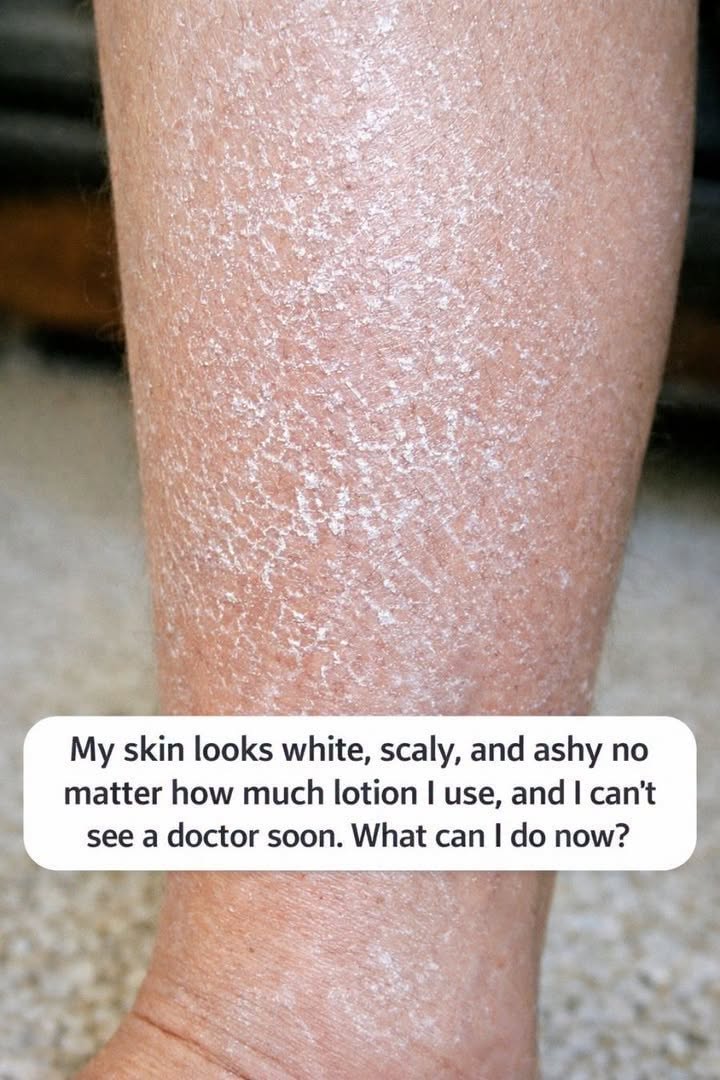
Additionally, consider using an ointment or cream rather than a lotion. Ointments and creams are thicker and more occlusive, providing a better barrier to prevent moisture loss from the skin. Apply these products immediately after bathing to lock in moisture.
5. Seal It In: The Correct Order and Method to Apply Moisturizers
Applying moisturizer correctly is just as important as choosing the right product. After bathing or washing your face, gently pat your skin dry with a towel, leaving it slightly damp. Then, apply your moisturizer to seal in the moisture. This method helps to maximize the hydration benefits of your product.
For areas that are particularly dry, consider layering an oil-based product over your moisturizer. This can provide an additional barrier to prevent moisture loss. Always apply your moisturizer in upward, circular motions to encourage absorption and stimulate circulation.
6. Try the ‘Soak and Seal’ Method for Rapid Relief at Home
The ‘soak and seal’ method is a dermatologist-recommended technique for managing extremely dry skin. Begin by soaking in a lukewarm bath for about 10 to 15 minutes to rehydrate the skin. Avoid using soap during this bath to prevent further drying out your skin.
After exiting the bath, gently pat your skin with a towel, leaving it slightly damp. Immediately apply a thick layer of a moisturizing cream or ointment to seal in the moisture. This method can be particularly effective if performed at least once daily, especially before bedtime.
7. Build a Shower and Bath Routine That Won’t Strip Your Skin
To protect your skin’s natural oils, establish a bathing routine that minimizes moisture loss. Limit showers to once daily, using lukewarm water, and keep the duration under 10 minutes. Opt for moisturizing body washes instead of traditional soaps that can be drying.
Incorporate a regular exfoliation routine using a gentle exfoliant once a week to remove dead skin cells, allowing moisturizers to penetrate more effectively. However, avoid over-exfoliating, as this can irritate the skin and worsen dryness.
8. Gentle Products Only: How to Read Labels and What to Avoid
When selecting skincare products, always read the labels to ensure they are suitable for sensitive, dry skin. Avoid products containing alcohol, fragrances, and dyes, as these can cause irritation and further dry out your skin. Opt for products labeled ‘hypoallergenic’ and ‘fragrance-free.’
Ingredients like sodium lauryl sulfate and parabens are known to be harsh on sensitive skin. Instead, look for formulations with soothing ingredients such as aloe vera, chamomile, or colloidal oatmeal, which can calm irritation and provide relief.
9. Clothing, Laundry, and Home Hacks to Protect Super-Dry Skin
Clothing can play a significant role in managing dry skin. Choose soft, breathable fabrics like cotton, and avoid wool or synthetic materials that can aggravate the skin. When washing clothes, use hypoallergenic, fragrance-free detergents to prevent irritation.
Consider using a humidifier in your home, particularly in the bedroom while you sleep, to maintain ambient moisture levels. This can help prevent the air from drawing moisture out of your skin, especially during the dry winter months.
10. Safe Over-the-Counter Treatments When You Can’t See a Doctor Yet
Over-the-counter (OTC) treatments can provide temporary relief while you await a doctor’s appointment. Products containing hydrocortisone can help reduce inflammation and itchiness. However, use these sparingly and follow the instructions closely to prevent further irritation.
For persistent dryness, look for OTC creams that contain urea or lactic acid, which can help exfoliate and moisturize the skin. Remember that these treatments are not substitutes for professional medical advice but can help manage symptoms in the interim.
11. Track Your Skin: When to Worry, What to Record, and How to Prepare for Your Appointment
Keeping a record of your skin’s condition can be beneficial when you eventually see a doctor. Document any changes, such as increased redness, swelling, or the appearance of new symptoms. Note the effectiveness of any at-home treatments you have tried and how your skin responds to different products.
If your condition worsens or fails to improve despite these efforts, it may be time to seek professional guidance. Having detailed notes can help your healthcare provider make a more accurate diagnosis and develop an effective treatment plan tailored to your needs.