

Most People Don’t Know This Fruit Exists — But It May Support Eye Health and Healthy Blood Pressure
There are thousands of fruits around the world, yet many of us regularly eat only a small selection of them.
Apples, bananas, oranges, grapes, and strawberries may dominate supermarket shelves, but there are plenty of lesser-known fruits with interesting nutritional profiles.
One such fruit has recently attracted attention because of its naturally occurring antioxidants, vitamins, minerals, and plant compounds that may contribute to a healthy diet.
So what is this unusual fruit, and why are people interested in its possible connection to eye health and healthy blood pressure?
Meet the Lesser-Known Fruit
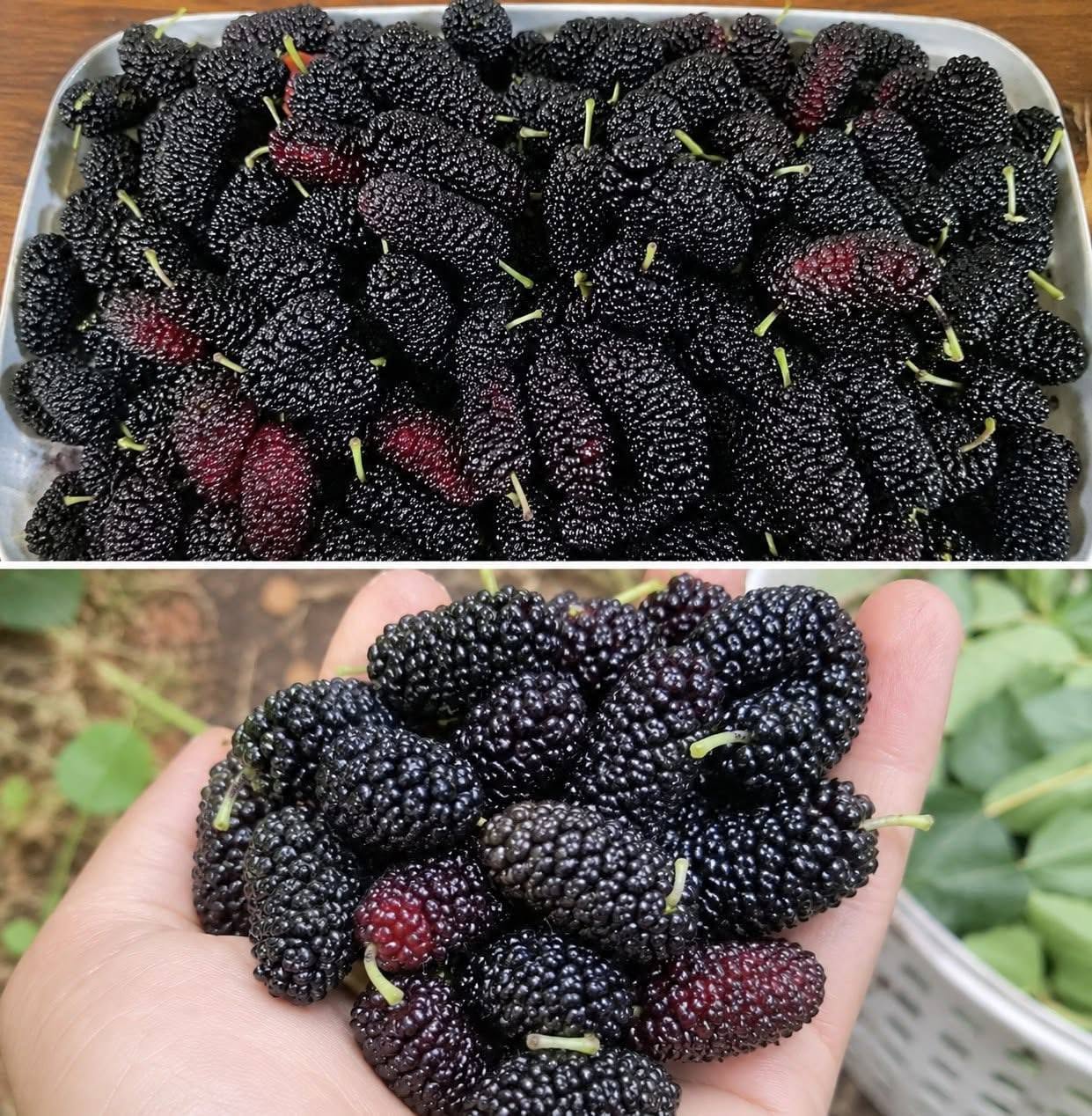
The fruit often highlighted in discussions like this is bilberry, a small dark-blue berry related to blueberries.
Bilberries are native to parts of Europe and have traditionally been consumed as food and used in various herbal preparations.
They are particularly interesting
because of their deep blue-purple color.
That color comes largely from natural plant pigments called anthocyanins.
Why Are Anthocyanins Interesting?
Anthocyanins are antioxidant compounds found in many deeply colored fruits and vegetables.
They are responsible for the red, purple, and blue colors seen in foods such as:
Bilberries
Blueberries
Blackberries
Cherries
Purple grapes
Blackcurrants
Researchers have studied anthocyanins because of their potential role in supporting normal cellular function and cardiovascular health.
However, eating an anthocyanin-rich fruit should be viewed as part of an overall healthy diet—not as a treatment for a medical condition.
How Could Bilberries Support Eye Health?
Bilberries have a long history of being associated with vision and eye health.
The interest partly comes from their anthocyanin content and antioxidant properties.
Oxidative stress can contribute to damage at the cellular level, and antioxidants obtained from a varied diet help protect cells from oxidative processes.
Some research has investigated
bilberry extracts in relation to different aspects of eye health, but the evidence is not strong enough to claim that eating bilberries can prevent or cure eye diseases.
That’s an important distinction.
A healthy diet can support normal eye function, but it cannot replace an eye examination or treatment prescribed by an eye-care professional.
What About Blood Pressure?
The cardiovascular side of the story is also interesting.
Fruits and vegetables rich in potassium, fiber, and polyphenols can contribute to an overall heart-healthy eating pattern.
Bilberries contain several plant compounds that researchers have investigated for their possible effects on cardiovascular function.
Some studies of anthocyanin-rich foods suggest potential benefits for vascular health and blood-pressure regulation.
But again, eating bilberries should not be considered a substitute for blood-pressure medication or medical care.
If you have high blood pressure, monitoring it and following your healthcare professional’s recommendations remain essential.
A Small Fruit With
Valuable Nutrients
Bilberries aren’t simply interesting because of their color.
Like many berries, they can provide a combination of:
Dietary fiber
Vitamin C
Plant polyphenols
Anthocyanins
Other antioxidant compounds
The exact nutritional content varies depending on the fruit, variety, growing conditions, and whether it is eaten fresh, dried, or processed.
Fresh whole fruit is generally preferable to highly sweetened products.
Bilberry vs. Blueberry: Are They the Same?
They are closely related, but they are not exactly the same fruit.
Bilberries generally have smaller berries and darker flesh than common cultivated blueberries.
One noticeable difference is that bilberries tend to have strongly colored flesh throughout the fruit, while many blueberries have pale or greenish flesh inside.
Both can be nutritious additions to a balanced diet.
How Can You Eat Bilberries?
If fresh bilberries are available where you live, they can be eaten in much the same way as other berries.
Try
adding them to:
Breakfast
Mix them into oatmeal, yogurt, or whole-grain cereal.
Smoothies
Blend them with other fruits, plain yogurt, or milk.
Desserts
Use them as a topping for homemade desserts instead of relying heavily on added sugar.
Snacks
Eat them fresh as part of a balanced snack.
Frozen
Frozen berries can be convenient and can retain much of their nutritional value.
What About Bilberry Supplements?
Bilberry supplements are also widely marketed.
This is where caution becomes especially important.
Supplements can contain concentrated extracts that are very different from simply eating the fruit.
Products can also vary considerably in:
Dosage
Extract concentration
Ingredient quality
Purity
Manufacturing standards
More is not necessarily better.
Anyone taking medication or managing a medical condition should speak with a healthcare professional before using concentrated herbal or fruit extracts.
Don’t Believe Every “Miracle Fruit” Claim
Whenever an unusual fruit becomes popular online, dramatic claims often follow.
You may see statements suggesting that one fruit can:
Restore eyesight
Eliminate high blood pressure
Prevent serious diseases
Replace medication
Reverse aging
Those claims go far beyond what the available evidence can support.
The more realistic message is much simpler: nutrient-rich fruits can be valuable components of a healthy eating pattern.
No single food is a magic solution.
The Bigger Picture
If you want to support eye and cardiovascular health, focus on your overall lifestyle.
That means eating plenty of fruits and vegetables, getting adequate physical activity, maintaining a healthy weight, avoiding tobacco, getting enough sleep, and following appropriate medical advice.
Adding colorful berries such as bilberries to that pattern can be a delicious way to increase your intake of plant foods.
Final Thoughts
Bilberries may not be as familiar as bananas or strawberries, but their deep color and naturally occurring plant compounds make them an interesting fruit to explore.
Their anthocyanins and other nutrients may contribute to a diet that supports normal eye and cardiovascular health, although they should not be treated as a cure or replacement for medical treatment.
The best approach is to think beyond one “miracle” food.
A colorful, varied diet filled with fruits, vegetables, whole grains, nuts, seeds, and other minimally processed foods is far more likely to support long-term health.
Sometimes the healthiest foods aren’t the ones that make the biggest headlines—they’re simply the ones that add more variety and nutrition to your everyday plate.