

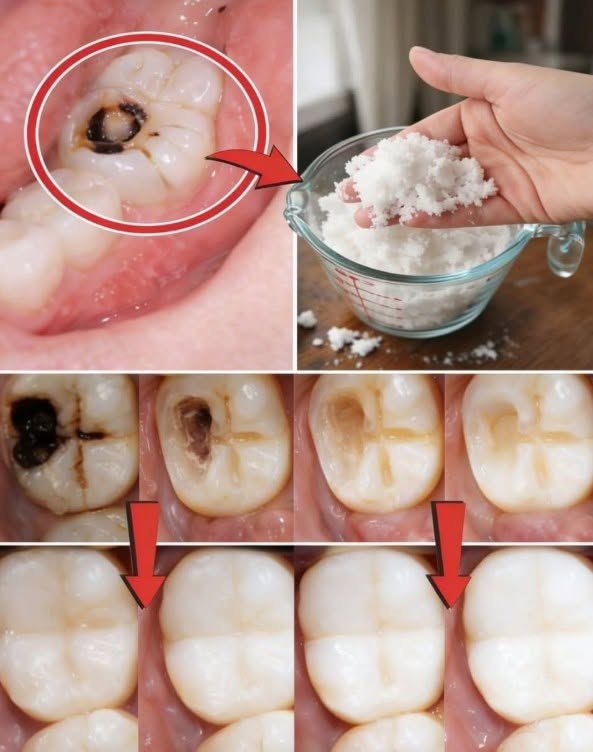
Maintaining strong teeth relies on consistent biochemical factors in the oral environment:
- Saliva pH Balance: Maintaining a neutral mouth pH (above 5.5) prevents enamel erosion.
- Daily Mineral Supply: Adequate intake of calcium, phosphorus, and vitamin D supports overall bone and tooth matrix health.
- Plaque Control: Keeping plaque levels low prevents acid-producing bacterial colonies from taking hold.
Long-Term Routine for Lasting Oral Hygiene
Sustaining healthy teeth requires a long-term commitment to preventive daily habits and expert monitoring:
- Visit a dentist twice a year for professional cleanings and digital checkups to detect hidden demineralization early.
- Maintain a well-balanced diet rich in leafy greens, dairy, or fortified calcium sources to nourish your teeth internally.
- Avoid using teeth as tools to open packages, which prevents micro-fractures in the enamel surface 😁.
Frequently Asked Questions
Can coconut oil pulling cure an existing cavity?
No. While oil pulling may help reduce harmful bacteria levels in the mouth, it cannot reverse structural tooth loss or replace missing tooth enamel.
How do I know if an early pre-cavity can still be saved?
A dentist can identify early white-spot lesions where enamel is demineralized. At this stage, prescription topical treatments or high-mineral toothpastes can help firm up the spot.
Is sugar the only cause of tooth decay?
No. Any carbohydrate that breaks down into simple sugars—including bread, crackers, and fruit juice—can feed acid-producing bacteria in the mouth.
Taking proactive steps to care for your teeth is the best way to safeguard your oral health. Focusing on preventive care, balanced nutrition, and timely professional guidance keeps your smile strong and vibrant for years to come.