
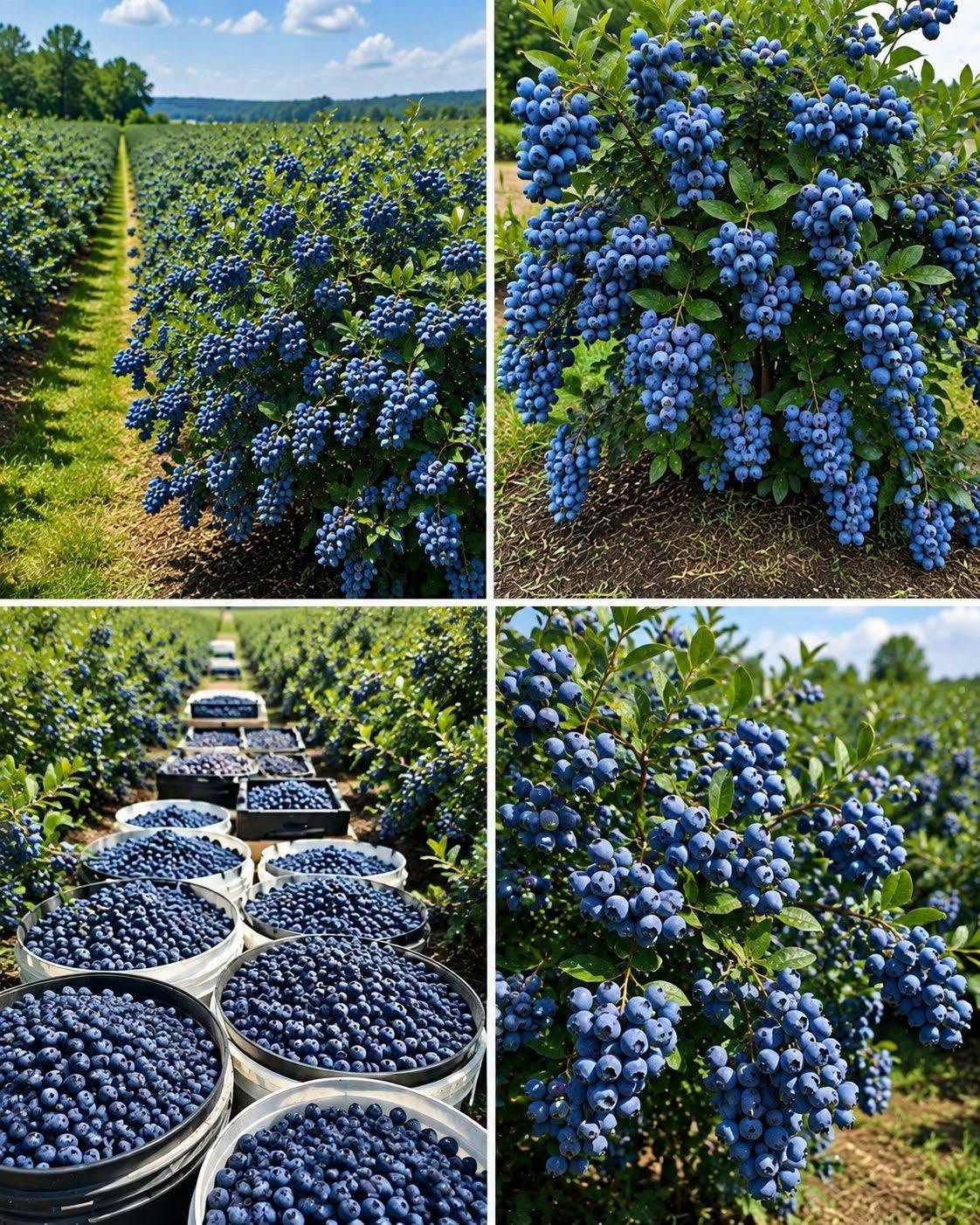
Blueberries are one of the most rewarding fruits you can grow in your own backyard. Not only are they packed with antioxidants and flavor, but their beautiful foliage and vibrant berries can turn your garden into a showpiece. With the right conditions and care, blueberry bushes can thrive and produce bountiful harvests for many years.
Here’s how to grow blueberries in your garden and enjoy lush, flavorful berries that will leave your neighbors in awe.
Why Grow Blueberries at Home?
There are many great reasons to plant blueberries in your garden:
-
Freshness: Homegrown blueberries are fresher and often sweeter than store-bought ones.
-
Savings: Blueberries can be expensive in stores. A few bushes can save you money long-term.
-
Low Maintenance: Once established, blueberry bushes require minimal care.
-
Aesthetic Value: Blueberry plants offer attractive white or pink flowers in spring, delicious berries in summer, and colorful foliage in autumn.
Whether you want a tasty harvest or a garden upgrade, blueberries deliver both.
Choosing the Right Variety
Blueberries come in several main types, and choosing the right one is essential for your climate:
-
Highbush: Most common in home gardens. Best for temperate climates.
-
Lowbush: Smaller shrubs that grow well in colder northern regions.
-
Rabbiteye: Ideal for warm southern climates. Tolerant of heat and drought.
-
Half-high: A cross between highbush and lowbush, suitable for cold and compact spaces.
Select at least two different cultivars for cross-pollination to improve yields, unless you’re growing a self-fertile variety.
Ideal Soil Conditions
Blueberries are picky about soil but will thrive if you meet their needs:
-
Acidic soil with a pH of 4.5 to 5.5 is ideal.
-
Use a soil testing kit to determine your pH before planting. If needed, lower the pH with sulfur or acidic compost like pine needles or peat moss.
-
The soil should be light, sandy, and well-draining. Heavy clay soils are unsuitable unless amended.
If your garden soil doesn’t meet these conditions, consider growing blueberries in raised beds or large containers with acidic potting mix.
Preparing the Planting Site
Choose a sunny spot that receives at least 6–8 hours of direct sunlight daily. More sun means more berries and better flavor.
-
Space bushes about 3–5 feet apart for good air circulation and root development.
-
Dig holes twice as wide and just as deep as the root ball.
-
Mix compost, peat moss, and pine bark into the soil for organic matter and acidity.
After planting, water thoroughly and mulch with pine bark, straw, or wood chips to retain moisture and suppress weeds.
Watering and Feeding
Blueberries have shallow roots and need consistent moisture:
-
Water deeply once or twice a week, depending on weather and soil conditions.
-
Keep the soil evenly moist but not waterlogged.
-
Mulching helps retain water and maintain soil temperature.
Use a fertilizer formulated for acid-loving plants like rhododendrons or azaleas. Apply in early spring and again in late spring, but avoid fertilizing after mid-summer as it can interfere with dormancy.
Pruning for Health and Productivity