
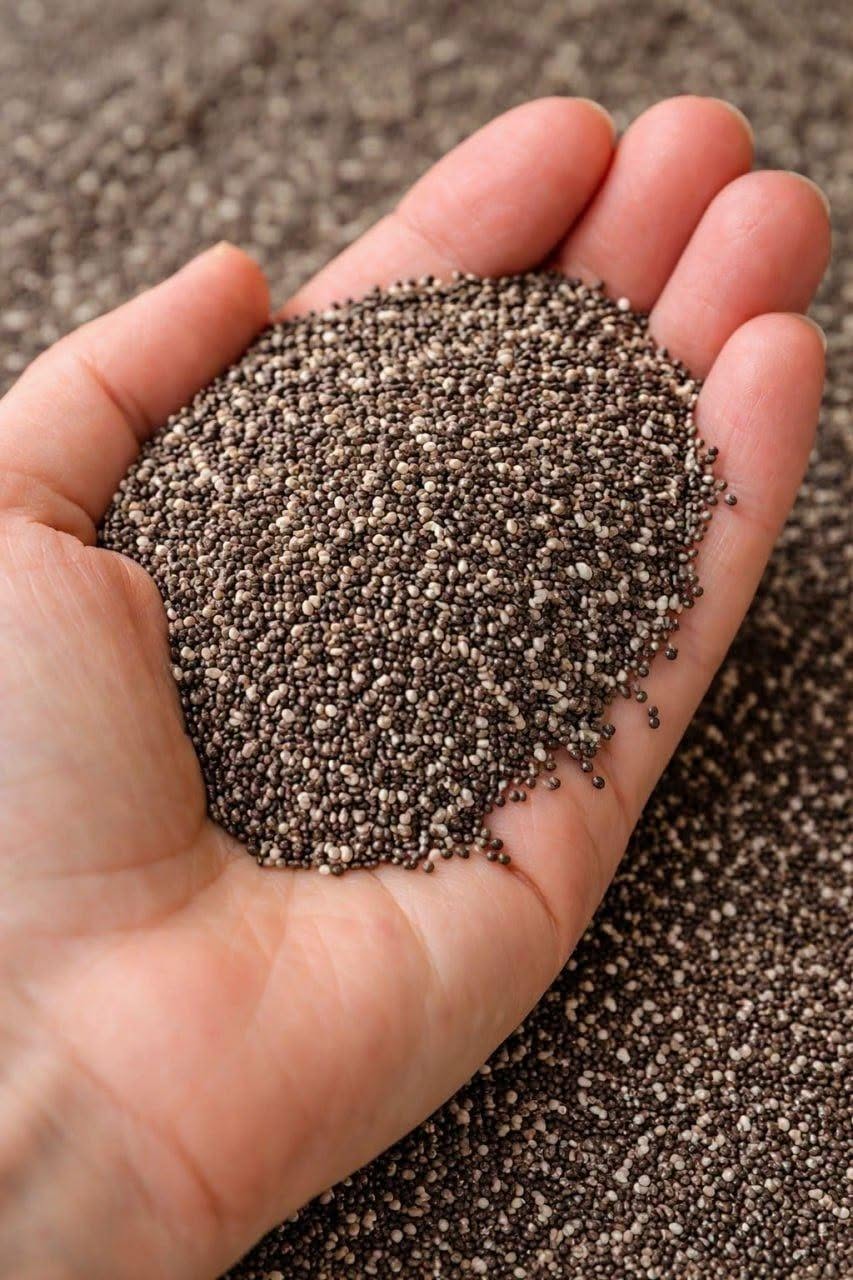
Chia seeds have a historical reputation as an endurance food, and chia drinks are sometimes marketed to athletes. They provide energy, fluid-holding fiber, and ALA, but research has not established that they consistently improve athletic performance.
Immediately before intense exercise, a large amount of fiber may cause gastrointestinal discomfort. Athletes should test chia-containing foods during training rather than trying them for the first time before an important event.
Chia Seeds and Hydration
Hydrated chia seeds retain water and can be included in drinks or foods. However, they do not hydrate the body more effectively than ordinary fluids in every circumstance.
Water and electrolytes remain the primary considerations during prolonged exercise, extreme heat, vomiting, or diarrhea. Chia drinks should not replace medically appropriate oral rehydration solutions when those are needed.
Chia Seeds and Inflammation
ALA and plant antioxidants may influence inflammatory pathways, but studies investigating chia seeds have not consistently shown significant reductions in human inflammatory markers.
A varied dietary pattern rich in vegetables, fruit, whole grains, legumes, nuts, seeds, fish, and unsaturated fats is more strongly supported than relying on one seed as an anti-inflammatory treatment.
Chia Seeds Do Not Treat Diverticulitis
Fiber may help support long-term bowel health, but chia seeds should not be presented as a remedy for an acute diverticulitis attack. During an acute episode, a healthcare professional may temporarily recommend a different dietary approach.
People with diverticular disease should follow individualized medical guidance, particularly when experiencing fever, severe abdominal pain, vomiting, or changes in bowel habits.
Chia Seeds and Cancer Claims
Older observational research raised questions about high blood levels or intakes of ALA and prostate cancer. Later research has produced inconsistent findings, and current evidence does not establish that ordinary chia-seed consumption causes prostate cancer.
It is also inaccurate to claim that chia seeds prevent or cure cancer. Anyone undergoing cancer treatment should discuss major dietary changes or concentrated supplements with their medical team.
Understanding Chia Seed Oil
Chia seed oil is extracted from the seeds and contains concentrated fat, particularly ALA. Unlike whole chia seeds, the oil provides little or no dietary fiber and significantly less protein and mineral content.
Chia oil can be used in small amounts in cold foods if the product is intended for culinary use. It should be stored according to the manufacturer’s directions because polyunsaturated fats are sensitive to heat, light, and oxygen.
Chia oil should not be confused with alpha-lipoic acid. Although both are sometimes abbreviated as ALA, alpha-linolenic acid is an omega-3 fatty acid, while alpha-lipoic acid is a different compound. Evidence involving alpha-lipoic-acid skin cream does not prove that chia seed oil produces the same effects.
Chia oil may soften the skin like other plant oils, but claims that it reverses sun damage or facial aging require stronger clinical evidence.
Chia seeds can be a convenient addition to everyday meals, but the way they are prepared matters—especially because dry seeds can swell rapidly when exposed to liquid.
Do Chia Seeds Need to Be Soaked?
Chia seeds do not always need to be soaked before eating. They can be mixed into moist foods such as yogurt, oatmeal, smoothies, soups, or batter.
Soaking is useful because it allows the seeds to hydrate before consumption and produces a softer texture. It may be particularly helpful for people who have difficulty chewing or swallowing.
Dry chia seeds should not be swallowed by the spoonful and immediately followed by water. The seeds can expand before reaching the stomach and may create a choking or esophageal-obstruction risk, especially in people with swallowing difficulties.
How to Make a Chia Seed Drink Safely
Ingredients
1 tablespoon chia seeds
1 cup water or another preferred liquid
Lemon, cinnamon, or fruit for flavor, optional
Instructions
Add the chia seeds to the liquid.
Stir thoroughly to prevent clumping.
Wait approximately 10 minutes and stir again.
Allow the mixture to hydrate for at least 20 to 30 minutes or refrigerate it overnight.
Check that the seeds are evenly dispersed before consuming.
Begin with a smaller quantity if you are not accustomed to a high-fiber diet. Do not rely on chia drinks as a substitute for meals or prescribed medical nutrition.
Easy Chia Pudding
Ingredients
2 tablespoons chia seeds
½ cup milk or an unsweetened plant-based alternative
½ teaspoon vanilla, optional
Fresh fruit
Cinnamon or chopped nuts, optional
Instructions
Combine the chia seeds and milk in a container.
Stir well, wait five to ten minutes, and stir again.
Cover and refrigerate for at least two hours or overnight.
Serve with fresh fruit and optional cinnamon or nuts.
Flavored plant drinks and sweetened yogurt can add substantial sugar, so check product labels if sugar intake is a concern.
How to Make a Chia Egg Substitute
Hydrated chia can act as a binder in some baking recipes. It does not provide the same structure, flavor, nutrition, or leavening as a chicken egg, so results vary by recipe.
Combine 1 tablespoon of chia seeds with 3 tablespoons of water.
Stir and allow the mixture to stand for 10 to 20 minutes.
Use the resulting gel in place of one egg in suitable muffins, pancakes, cookies, or quick breads.
Ground chia creates a smoother mixture, while whole seeds leave a more noticeable texture.
Ground Chia Seed Powder