

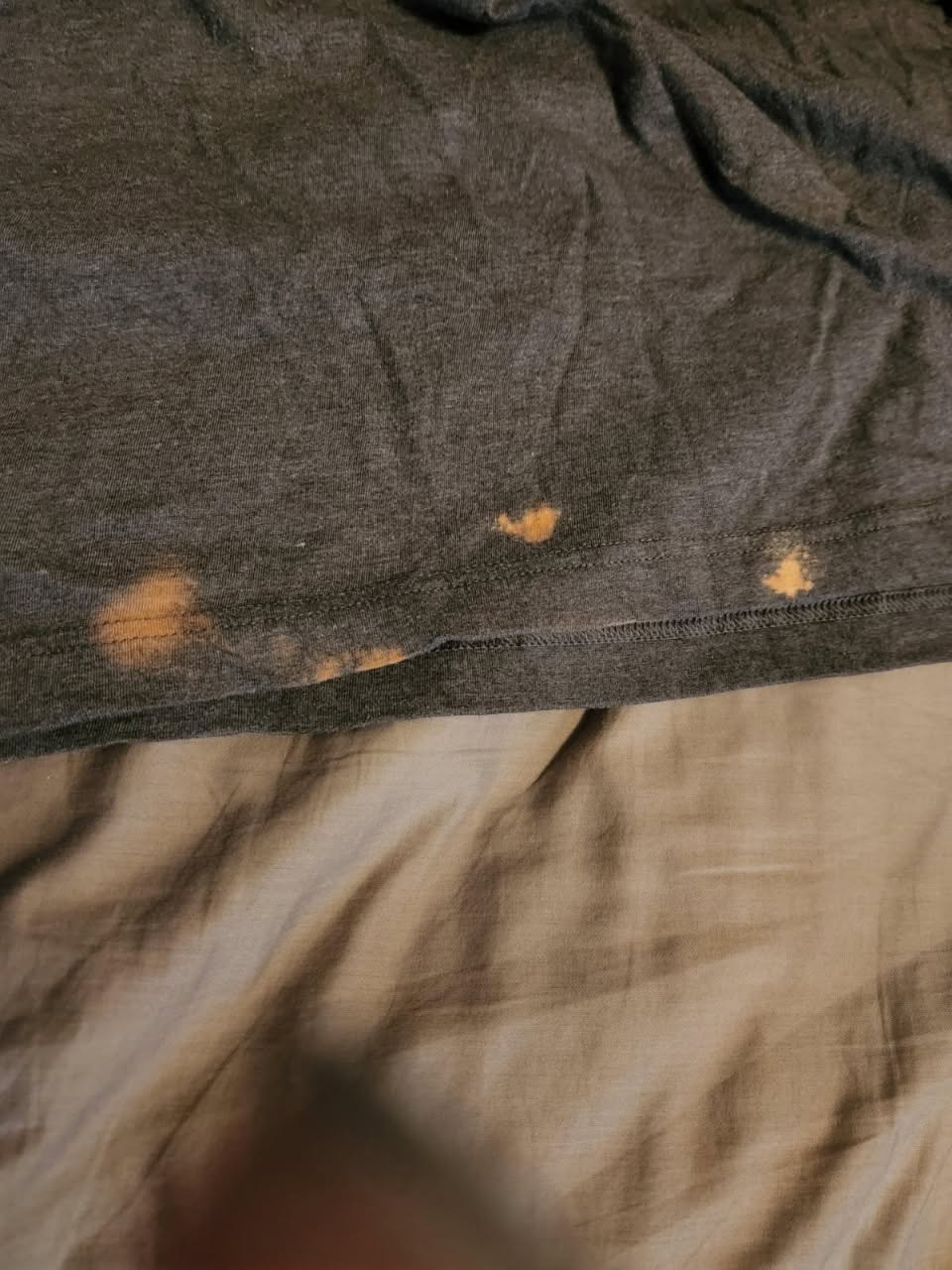
How to Remove Bleach Stains From Clothes: 2 Practical Tricks That Can Help Save the Fabric
Bleach stains are among the most frustrating laundry accidents because they are not ordinary stains. When chlorine bleach touches colored fabric, it can remove or permanently alter the dye itself. That means the orange, pink, yellow, or white patches left behind are often areas where the original color has been stripped away rather than dirt sitting on top of the fibers.
This is why simply washing the garment again usually does not make the marks disappear. However, depending on the size of the damaged area, the fabric, and how quickly you react, there are practical ways to make bleach marks much less noticeable and sometimes restore the appearance surprisingly well.
The most useful approach is to understand the difference between neutralizing fresh bleach and recoloring fabric after permanent dye loss. These two situations require different methods.
Why Bleach Creates Orange or White Marks
Household chlorine bleach contains sodium hypochlorite, a strong oxidizing agent. Its purpose is to break down pigments and stains, which is why it works so well on white laundry.
On colored fabric, however, that same chemical reaction attacks the dye molecules responsible for the garment’s color.
Depending on the original dye, a black fabric may turn reddish-orange before becoming pale, while brown, green, blue, or gray fabrics may develop completely different tones.
Once the dye has been chemically destroyed, there is usually nothing left to “wash out.”
Act Quickly If the Bleach Is Still Fresh
If bleach has just spilled onto a garment and the fabric is still wet, immediate action may help limit further damage.
Rinse the affected area thoroughly under plenty of cool running water. The goal is to remove as much bleach as possible before it continues reacting with the fibers and dye.
Do not rub aggressively because vigorous rubbing may spread the bleach into a larger area.
Important Safety Rule
Never mix chlorine bleach directly with vinegar, ammonia, toilet cleaners, acids, or other household chemicals.
Some combinations can release dangerous gases. If you are dealing with fresh bleach, rinse the fabric extensively with plain water before using any other treatment.
Trick 1: Neutralize Fresh Bleach Before It Causes More Damage
This method is useful only when the bleach exposure has happened recently. It cannot restore dye that has already disappeared, but it may help stop residual bleach from continuing to damage the fabric.
What You Need
- Plenty of cool water
- A sink or basin
- A commercial chlorine-neutralizing product designed for textiles, if available
- Protective gloves
Step 1: Rinse Immediately
Hold the stained area under cool running water for several minutes.
Turn the fabric inside out and rinse from both sides if possible.
This physically dilutes and removes remaining bleach from the fibers.
Step 2: Use a Proper Chlorine Neutralizer If Needed
Some laundry and textile products are specifically formulated to neutralize residual chlorine. Sodium thiosulfate is one substance used commercially for this purpose, but the concentration and instructions vary by product.
If you use a chlorine neutralizer, follow the manufacturer’s directions exactly rather than improvising a concentration at home.
Step 3: Wash Normally
After thorough rinsing and neutralization, wash the garment separately using ordinary laundry detergent according to its care label.
Allow the item to dry before deciding how much permanent discoloration remains.
Trick 2: Restore the Appearance by Recoloring the Damaged Area
If the bleach mark is already dry and permanently discolored, the most realistic solution is usually recoloring rather than stain removal.
This can be surprisingly effective on black, navy, brown, olive, and other solid-colored garments.
Option A: Fabric Marker for Small Spots
Fabric markers are one of the easiest solutions for small bleach splashes.
Choose a marker as close as possible to the original fabric color.
Test it first on an inside seam or hidden section of fabric because colors can look different once dry.
How to Apply It
- Wash and dry the garment first.
- Place cardboard behind the damaged area.
- Apply the color lightly rather than saturating the fabric immediately.
- Blend slightly beyond the exact edge of the bleach mark if necessary.
- Allow the first layer to dry.
- Add additional thin layers until the color blends naturally.
For black jeans, sweatshirts, and cotton trousers, this can make small marks dramatically less noticeable.
Option B: Fabric Dye for Larger Areas
If bleach has affected a large section, touching up each spot individually may look uneven.
In that situation, overdyeing the entire garment may produce a more consistent result.
This works best with natural fibers such as cotton, linen, rayon, and some blends, although each dye product has specific fiber requirements.
Choosing a Darker Dye
Dyeing a garment a darker shade is often easier than trying to reproduce the exact original color.
For example, badly marked gray trousers may be successfully dyed black, while faded brown cotton may be dyed a deeper brown.
Always check the garment’s fiber content before selecting a dye.
Why Polyester Can Be More Difficult
Polyester and other synthetic fabrics often require special dyes and high temperatures to accept color properly.
A standard dye designed for cotton may barely affect polyester fibers.
Garments containing mixed fibers may also dye unevenly because each fiber absorbs color differently.
Can Rubbing Alcohol Restore Bleach Stains?
A popular internet method suggests applying rubbing alcohol around a small bleach spot and pulling surrounding dye toward the damaged area with a cotton swab.
On some fabrics this can slightly redistribute loose surface dye and reduce contrast, but the results are unpredictable.
Alcohol can also affect certain dyes, finishes, prints, or synthetic materials, so it should always be tested on an inconspicuous area first.
For most garments, a proper fabric marker or dye offers more controlled results.
Can Vinegar Remove a Bleach Stain?
No. Vinegar cannot restore fabric dye that chlorine bleach has destroyed.
More importantly, vinegar should never be poured directly onto fabric that still contains active chlorine bleach because acids and bleach can produce hazardous chlorine-containing fumes.
Always rinse fresh bleach thoroughly with water before introducing any other chemical product.
Can Baking Soda Fix Bleach Marks?
Baking soda may help with general laundry cleaning or odors, but it cannot recreate missing dye.
Once the color has been oxidized away, some form of recoloring is usually needed to disguise the mark.
How to Handle Black Clothes
Black clothing often responds particularly well to touch-up methods because black fabric markers and dyes are widely available.
For tiny orange bleach splashes, a black fabric marker may be sufficient.
For widespread fading or numerous spots, dyeing the entire garment black may provide a more uniform finish.
How to Handle Brown, Beige, and Khaki Clothes
Matching earthy colors can be more difficult because there are many subtle shades of brown, tan, olive, and khaki.
Use a fabric marker only after testing the shade carefully.
If the garment has many bleach spots, choosing a slightly darker overall dye may look more natural than trying to recreate the original color exactly.
What About Printed Clothing?
SEE THE NEXT PAGE