

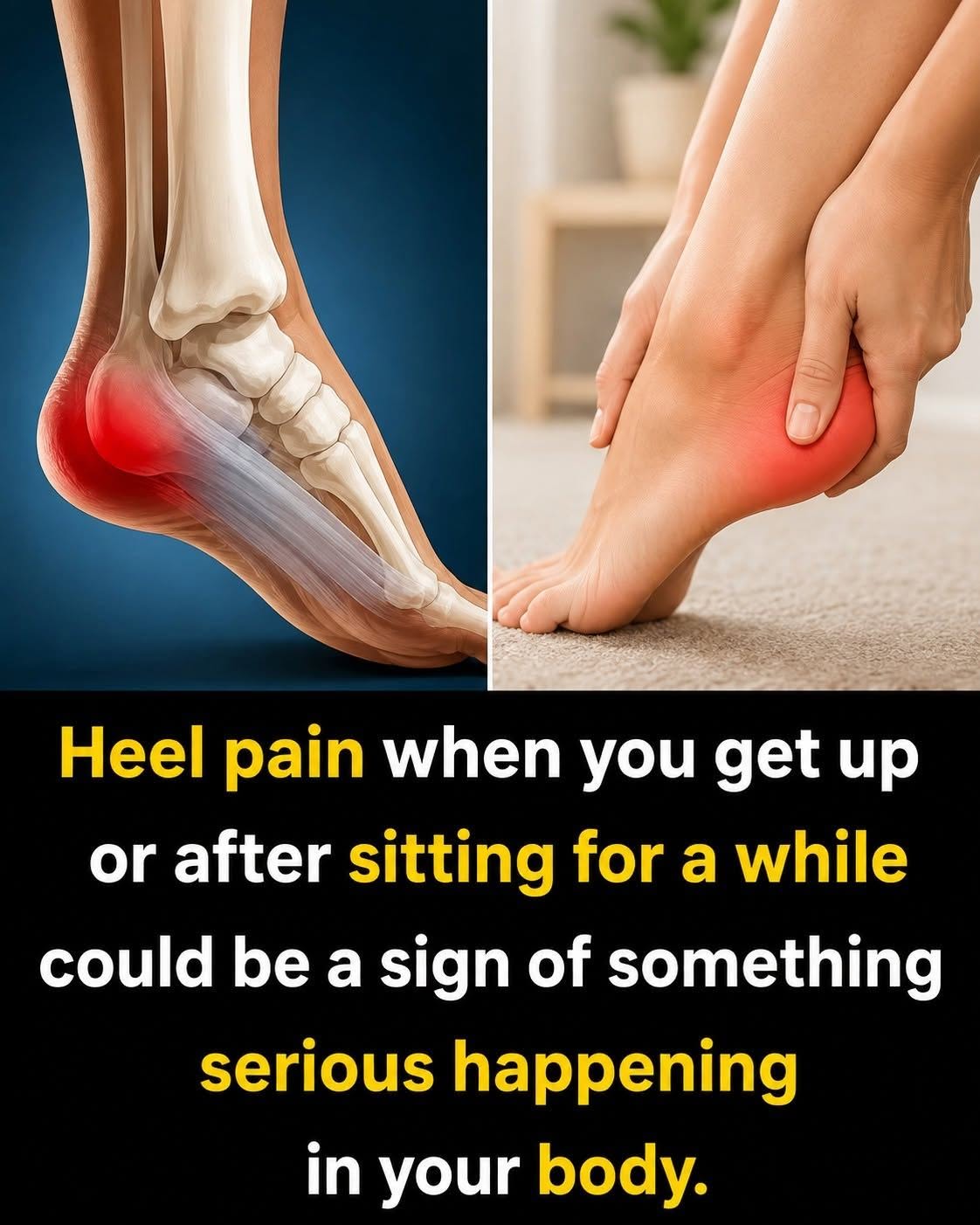
That sharp pain in your heel when you take your first steps in the morning can make even getting out of bed uncomfortable.
One common cause is plantar fasciitis, a condition involving irritation of the plantar fascia — the strong band of tissue running along the bottom of your foot.
The discomfort is typically felt around the heel and arch and is often worse during the first few steps after sleeping or resting. It may ease as you begin moving, only to become troublesome again after prolonged standing, walking, or running.
Fortunately, gentle stretching and strengthening exercises are commonly recommended as part of conservative management.
Here are seven movements you can try.
Towel Stretch
This simple stretch targets the calf and bottom of the foot.
Sit on the floor or bed with your leg extended in front of you. Place a towel around the ball of your foot and gently pull it toward your body while keeping your knee relatively straight.
You should feel a gentle stretch through your calf and foot.
Hold for about 15–30 seconds, relax, and repeat.
The American Academy of Orthopaedic Surgeons includes a similar towel stretch among stretches used for heel pain.
Standing Calf Stretch
Tight
calf muscles can affect how your foot and ankle move, so calf stretching is commonly included in plantar-fasciitis exercise programs.
Stand facing a wall and place your hands against it.
Step the affected leg behind you while keeping that heel flat on the floor. Bend the front knee and gently move your hips toward the wall until you feel a stretch through the back calf.
Hold for approximately 30 seconds, then relax.
Avoid bouncing or forcing the stretch.
AAOS recommends a similar heel-cord stretch, with the back heel kept flat on the floor.
Plantar Fascia Stretch
This exercise more directly stretches the tissue along the bottom of the foot.
Sit comfortably and cross the affected foot over your opposite knee.
Grab your toes and gently pull them backward toward your shin until you feel a stretch along the arch.
Hold the position for around 20–30 seconds before releasing.
This can be particularly useful before taking your first steps after sitting or sleeping, when plantar-fasciitis discomfort is often most noticeable. NHS guidance also recommends stretching the sole of the foot after periods of sitting or lying down.
Roll Your Foot Over a Ball or Cold Bottle
Sit in a chair andplace
a tennis ball, massage ball, or cold water bottle underneath your foot.
Slowly roll it from around the heel toward the front of the arch and back again.
Try this for approximately 1–2 minutes without applying enough pressure to cause significant pain.
Some NHS physiotherapy guidance specifically suggests rolling the arch over a ball or similar object, while a cold bottle may also feel soothing.
This should be thought of as a gentle massage — not an attempt to aggressively “break up” the plantar fascia.
Toe Curls
The small muscles of the foot contribute to stability and arch support.
Place your bare foot flat on the floor while sitting or standing.
Slowly curl your toes downward, hold briefly, and release.
Repeat approximately 10 times if comfortable.
Another variation is to place a towel underneath your foot and use your toes to gradually pull the towel toward you.
NHS musculoskeletal guidance includes both toe curls and towel-grabbing exercises in foot rehabilitation programs.
Heel Raises
Strengthening can be useful alongside stretching.
Stand behind a sturdy chair or counter for b
if the exercise is comfortable.
An NHS physiotherapy program includes standing heel raises and progresses them gradually rather than encouraging people to push through pain.
Bent-Knee Calf Stretch
This variation targets deeper calf muscles.
Stand facing a wall with the affected leg behind you.
Unlike the earlier calf stretch, slightly bend the back knee while keeping the heel firmly on the floor.
Slowly move forward until you feel a comfortable stretch around the lower calf and heel.
AAOS recommends a similar bent-knee heel-cord stretch targeting the soleus muscle.
Don’t Forget Your Shoes
Exercise isn’t the only thing that matters.
Supportive footwear can make a significant difference in managing heel discomfort.
The NHS recommends shoes with cushioned heels and good arch support, and advises avoiding prolonged barefoot walking on hard surfaces. Insoles or heel pads may also help some people.
If your shoes are badly worn or provide little support, changing them may be worth considering.
Should You Exercise Through the Pain?
No.
A stretch may create a gentle pulling sensation, but exercises shouldn’t produce significant or worsening pain.
AAOS specifically advises that exercises should not hurt and recommends speaking with a doctor or physical therapist if pain occursduring the program.
alance.
Slowly rise onto the balls of your feet, pause briefly, then lower your heels in a controlled manner.
Start gently and increaserepetitions only
if the exercise is comfortable.
An NHS physiotherapy program includes standing heel raises and progresses them gradually rather than encouraging people to push through pain.
Bent-Knee Calf Stretch
This variation targets deeper calf muscles.
Stand facing a wall with the affected leg behind you.
Unlike the earlier calf stretch, slightly bend the back knee while keeping the heel firmly on the floor.
Slowly move forward until you feel a comfortable stretch around the lower calf and heel.
AAOS recommends a similar bent-knee heel-cord stretch targeting the soleus muscle.
Don’t Forget Your Shoes
Exercise isn’t the only thing that matters.
Supportive footwear can make a significant difference in managing heel discomfort.
The NHS recommends shoes with cushioned heels and good arch support, and advises avoiding prolonged barefoot walking on hard surfaces. Insoles or heel pads may also help some people.
If your shoes are badly worn or provide little support, changing them may be worth considering.
Should You Exercise Through the Pain?
No.
A stretch may create a gentle pulling sensation, but exercises shouldn’t produce significant or worsening pain.
AAOS specifically advises that exercises should not hurt and recommends speaking with a doctor or physical therapist if pain occursduring the program.
Start slowly rather than assuming that more repetitions will produce faster recovery.
When Heel Pain May Not Be Plantar Fasciitis
This is important because not every painful heel is plantar fasciitis.
Heel pain can also be associated with Achilles tendon problems, bursitis, fractures, and other conditions.
Plantar fasciitis is more typical when pain occurs around the bottom of the heel or arch, is especially noticeable during the first steps after rest, and may improve somewhat after you begin moving.
Seek medical advice if the pain is severe, keeps returning, is getting worse, causes numbness or tingling, or isn’t improving with self-care. The NHS advises seeing a clinician if plantar-fasciitis symptoms have not improved after about 2 weeks of self-treatment.
Sudden severe heel pain following an injury — particularly with swelling, difficulty walking, or a popping/snapping sensation — also deserves prompt medical assessment because causes such as a fracture or Achilles tendon rupture need to be considered.
The Bottom Line
Plantar fasciitis can make your first steps in the morning surprisingly painful, but many cases can improve with conservative care.
Gentle plantar fascia and calf stretching, progressive strengthening, supportive footwear, and temporarily reducing activities that aggravate the heel arecommon approaches.
Recovery usually
isn’t instant. Consistency matters, and exercises should be comfortable rather than painful.
If your heel pain persists or becomes worse, get it evaluated rather than continuing to assume plantar fasciitis is the cause.
Medical disclaimer: This article is for general educational purposes and is not a diagnosis or substitute for individualized medical advice.