

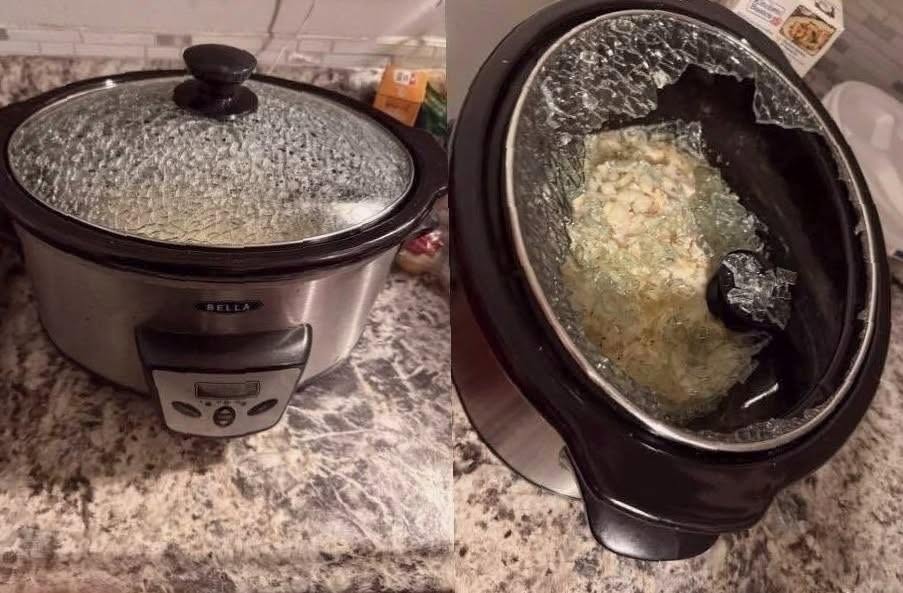
The slow cooker is one of the most forgiving tools in the kitchen. Toss in the right ingredients in the morning, walk away, and come home to a tender, fragrant meal. But not everything belongs in that ceramic pot. Some foods break down into mush, some curdle, and a few can even keep your dinner sitting in the bacterial “danger zone” for too long.
Below are eleven ingredients that struggle with low, slow heat — along with the simple fixes and swaps that keep your slow cooker a safe, flavorful zone.
Proteins That Need Special Handling
Lean proteins are the most common slow cooker casualty. They dry out, toughen, or spend too long warming up to a safe temperature.
- Lean chicken breast: Without plenty of liquid it turns stringy and rubbery, and it can linger in the 40–140°F danger zone. Use bone-in thighs instead, or add breast in the final hour.
- Seafood: Fish, shrimp, and scallops cook in minutes, so hours in a slow cooker leave them dry and mealy. Cook them separately and fold in at the very end. Only firm fish like cod or halibut can handle the last 30 minutes.
- Lean cuts of meat: Pork tenderloin, venison, and rabbit lack the collagen that low, slow heat melts into gelatin. Reach for fattier, tougher cuts — chuck roast, pork shoulder, lamb shanks — which grow more tender the longer they cook.
-
Starches and Dairy: The Mush and Curdle Culprits
Anything that absorbs liquid greedily or separates under heat needs to go in late, not early.
- Pasta: It keeps drinking liquid for hours and turns to paste. Cook it separately and stir it in during the last 15–30 minutes.
- Rice: Most varieties collapse into gluey porridge. Cook it on the side, or use quick rice added near the end.
- Dairy: Milk and cream curdle; yogurt and sour cream turn grainy. Stir them in during the final 5–10 minutes, or spoon them on top at the table. Canned coconut milk holds up better.
- Canned beans: Already cooked, they dissolve into paste if added early. Warm them through in the last half hour. Dried beans (soaked overnight) are the exception — they need the long cook.
- Breaded or fried foods: Crispy coatings go soggy and gluey. Serve them alongside, or add them at the very end.
-
Delicate Vegetables, Herbs, and Alcohol
Some ingredients are simply too fragile — or too volatile — for hours of gentle heat.
- Delicate vegetables: Zucchini, bell peppers, asparagus, mushrooms, and leafy greens turn to mush or vanish entirely. Add them in the last 30–60 minutes; stir greens in at the end and let residual heat wilt them.
- Fresh herbs: Parsley, basil, cilantro, and dill go bitter and slimy. Use dried herbs during cooking and add fresh ones just before serving.
- Alcohol: The closed lid traps it instead of cooking it off, leaving a harsh, boozy taste. Simmer wine, beer, or spirits on the stovetop for 5–10 minutes first, then add.
- Frozen foods: Frozen meat keeps the pot too cold for too long. Thaw proteins in the fridge first. Frozen vegetables are fine — just add them near the end.
-
What Actually Thrives — Plus Safety Tips
Now the good news: plenty of ingredients were made for the slow cooker.
- Proteins: Chicken thighs, beef chuck roast, pork shoulder, lamb shanks, and sausages.
- Vegetables: Carrots, potatoes, sweet potatoes, onions, celery, parsnips, and butternut squash.
- Legumes and liquids: Soaked dried beans, lentils, broth, canned tomatoes, and tomato sauce.
A few habits keep every meal safe and delicious:
- Thaw frozen meat before it goes in.
- Fill the pot only ½ to ¾ full so food cooks evenly.
- Brown or sear meat first for deeper flavor.
- Keep the lid on — each peek adds 20–30 minutes.
- Use an instant-read thermometer: 165°F for poultry, 145°F for pork, 160°F for ground meat.
The slow cooker is a wonderful tool, but it is not magic. Know what belongs in the pot and what to add at the end, and you will never come home to gray, mushy disappointment again.