

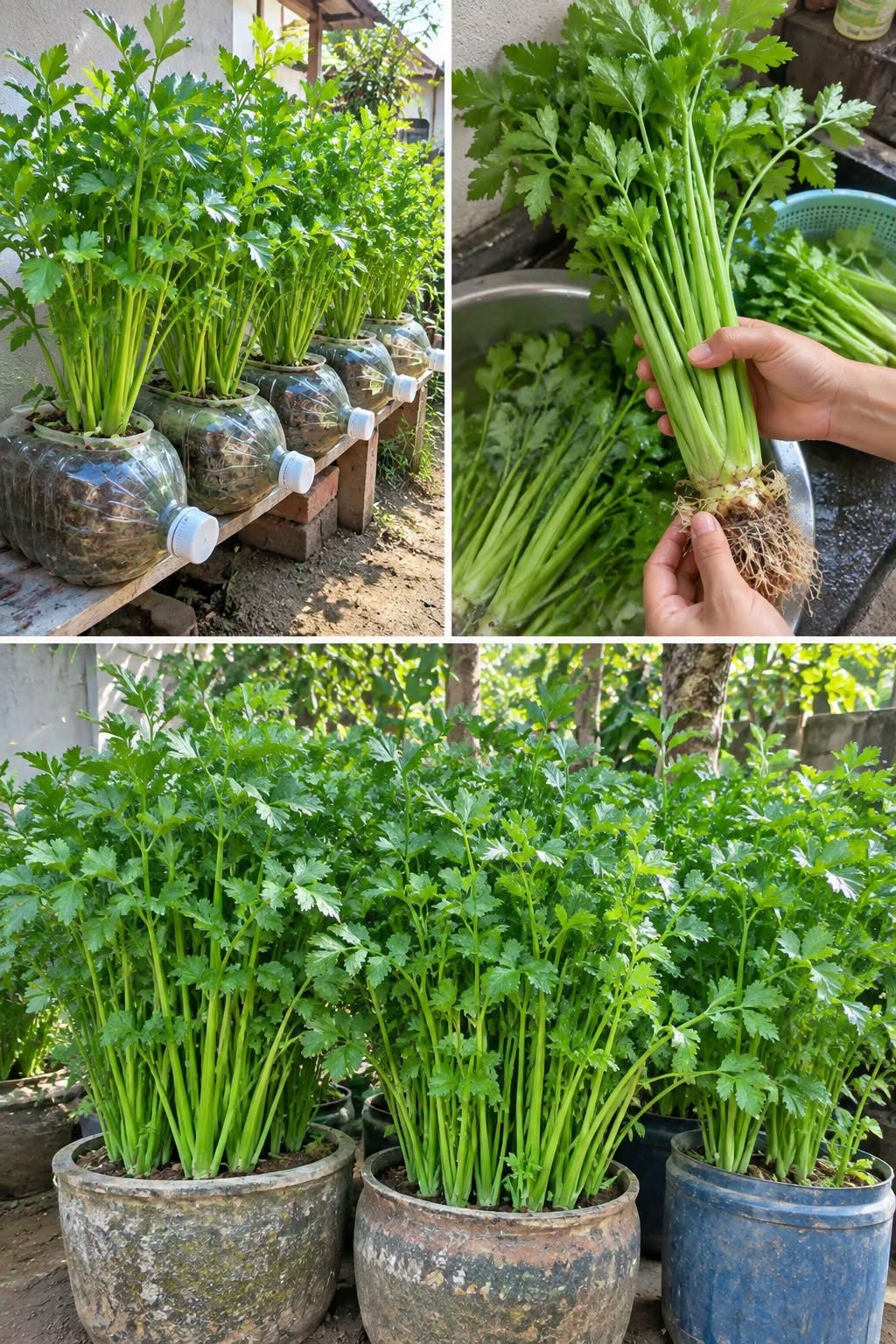
Parsley is one of the most versatile herbs in any kitchen—fresh, vibrant, and full of flavor. Whether sprinkled over soups, mixed into sauces, or used as a garnish, its refreshing taste elevates countless dishes. While it’s easy to find parsley in stores, growing it yourself is far more rewarding. Homegrown parsley not only guarantees a steady supply of fresh herbs but also gives you control over how your plants are grown—naturally, organically, and without chemicals.
The challenge most gardeners face, however, is that parsley seeds are notoriously slow to germinate. They can take up to three weeks to sprout, testing the patience of even seasoned growers. But with the right methods, you can dramatically speed up germination and enjoy lush, healthy parsley plants much sooner than expected.
This complete guide walks you through every step—from selecting quality seeds to germination, care, transplanting, and harvesting—so you can grow vibrant parsley plants faster and more successfully.
Why Start Parsley from Seed?
Growing parsley from seed offers several key advantages:
Choose your preferred variety: You can select between curly parsley, known for its decorative ruffled leaves, or flat-leaf (Italian) parsley, prized for its bold flavor.
Grow organically: When you control the growing process, you can avoid synthetic fertilizers and pesticides.
Save money: A single packet of seeds can produce many plants—much more economical than buying bunches at the store.
Fresh supply at your fingertips: Having parsley within reach means you can harvest just what you need for each meal.
Parsley is a biennial herb (meaning it completes its life cycle in two years) but is often grown as an annual. It thrives in cool weather and rich, well-draining soil, making it ideal for spring and fall gardens or indoor growing all year round.
Step 1: Choose Fresh, High-Quality Seeds
The secret to fast germination begins with your seed selection. Always start with fresh seeds from a reputable supplier. Older seeds tend to germinate slowly—or not at all. Check for a recent harvest date or packaging labeled “high germination rate.”
Continued on the next page
Step 2: Soak Seeds to Speed Up Germination
Parsley seeds have a hard outer coating that slows water absorption and delays sprouting. To break this dormancy, soak the seeds in warm water for 12 to 24 hours before planting. This simple step softens the seed coat and gives germination a strong head start.
For an extra boost, you can rinse the seeds under warm running water after soaking to remove natural oils that can also inhibit sprouting.
Step 3: Prepare the Right Growing Medium
Parsley grows best in rich, loose, well-draining soil. Use a high-quality seed-starting mix or combine potting soil with compost. Avoid heavy garden soil that can compact and limit root development.
Fill your seed trays or small pots with this mix, gently firming the surface without pressing it too tightly. A light, airy medium encourages root growth and better oxygen flow.
Step 4: Sow the Seeds Correctly
Plant the soaked parsley seeds about ¼ inch deep. You can sow several seeds per pot or tray cell since not all may germinate. Once they sprout, thin the seedlings later to prevent overcrowding.
Lightly cover the seeds with soil and mist with water to keep the surface evenly moist.
Step 5: Create Ideal Germination Conditions
Parsley seeds germinate best at temperatures between 70–75°F (21–24°C). Consistent warmth and moisture are essential.
Cover the trays with a clear plastic dome or plastic wrap to trap humidity and speed up sprouting. Place the containers in a warm, bright area, but avoid direct sunlight, which can overheat the soil and dry out the seeds.
Keep checking daily to ensure the soil stays moist but never waterlogged. Under ideal conditions, seedlings should appear within 10 to 14 days, although some may take a bit longer.
Step 6: Care for the Seedlings
Once your parsley seedlings have emerged, they’ll need steady care to grow strong and healthy.
Light: Provide at least 10–12 hours of bright, indirect sunlight daily. Indoors, supplement with fluorescent or LED grow lights if necessary.
Water: Keep the soil evenly moist. Parsley dislikes drying out completely but also resists soggy roots.
Temperature: Maintain 65–75°F (18–24°C) and protect plants from cold drafts.
Thinning: When seedlings develop two or three sets of true leaves, thin them by snipping weaker ones at soil level, leaving about 2–3 inches between plants.
Feeding: Once the seedlings are established, apply a balanced, water-soluble fertilizer every 2–3 weeks to encourage vigorous growth.
Step 7: Transplanting Parsley Outdoors or into Larger Pots
If you began growing parsley indoors, you’ll need to harden off your seedlings before moving them outside. Over a week, gradually expose them to outdoor conditions—starting with a few hours of indirect light daily and increasing time outdoors until they adjust.
Transplant parsley into a sunny or partially shaded spot with nutrient-rich, well-draining soil. Mix in compost to enrich the soil before planting. Space plants 6–8 inches apart to promote airflow and healthy growth.
For indoor gardens, transfer seedlings into larger pots once they outgrow their containers, ensuring each pot has good drainage.
Step 8: Harvesting Parsley the Right Way
You can begin harvesting parsley when plants are about 6 inches tall. Always cut the outer leaves first, leaving the inner ones to continue growing. This method encourages fuller, bushier plants.
Avoid removing more than one-third of the plant at once. Fresh parsley can be stored in the refrigerator for up to a week or air-dried for longer storage. Regular harvesting also stimulates new growth, ensuring a continuous supply.
Extra Tips for Thriving Parsley Plants
Avoid overwatering: Moist soil is good, but soggy roots can cause rot.
Mulch outdoors: A thin mulch layer helps retain soil moisture and keeps roots cool.
Pest management: Watch for aphids and slugs; use natural solutions like neem oil or insecticidal soap.
Companion planting: Parsley grows well beside tomatoes, carrots, and asparagus, which can enhance overall garden health.
Conclusion
Growing parsley from seed doesn’t have to test your patience. By soaking the seeds, maintaining ideal warmth and moisture, and giving seedlings consistent care, you can cut germination time dramatically and enjoy strong, fragrant plants in no time.
Whether you’re cultivating parsley indoors on a sunny windowsill or outdoors in your garden, these methods guarantee success. With just a bit of effort and care, you’ll soon have an endless supply of lush, aromatic parsley to elevate every dish you prepare.